The Perimenopause Symptoms Nobody Talks About: Weight, Joint Pain, and Libido
Hot flashes get all the airtime. Meanwhile the scale won't budge, your knees ache for no clear reason, and your libido went quiet months ago. Most patients file those under three separate causes. They're usually one.
Last updated August 2026
Perimenopause has a marketing problem. Hot flashes and irregular periods get all the attention, while three of the most common complaints I hear in my Hingham office rarely make it into the conversation before a patient brings them up herself, and often only after she's decided the symptom is embarrassing enough to mention. Weight that won't respond to the same habits that used to control it. Joint pain that shows up with no clear injury behind it. A libido that has quietly gone flat.
This post is for the South Shore patients who've noticed one or more of these changes and haven't connected them to hormones, or who have connected them but weren't sure it was worth bringing up. It isn't. I'm writing about it because it is worth bringing up, and because a
Why These Three Symptoms Get Overlooked
Hot flashes and night sweats have become the recognizable face of perimenopause, partly because they're hard to hide and partly because they've been discussed publicly for years now. That visibility is progress. But it has also crowded out symptoms that are just as common and just as hormonally driven.
Three reasons these particular symptoms tend to go unspoken in a standard primary care visit:
Weight and joint pain are routinely filed under "getting older," a catchall that discourages further questions from both the patient and, frankly, sometimes the physician.
Libido changes carry a layer of embarrassment that hot flashes don't. Patients will describe a night sweat in detail and then go quiet on this one.
A 15-minute visit doesn't leave room to work through three separate, sensitive topics, so they get triaged out in favor of whatever brought the patient in that day.
None of that makes these symptoms less real or less connected to what's happening hormonally. It just means they need a visit structured to actually get to them.
Perimenopause Weight Gain: What's Actually Changing
Patients often describe this almost identically: the same eating habits and exercise routine that worked for years, and a scale that's moved anyway. According to the Mayo Clinic, weight gain commonly begins a few years before menopause itself, during perimenopause, and often continues at a rate of about 1.5 pounds a year through a woman's 50s.
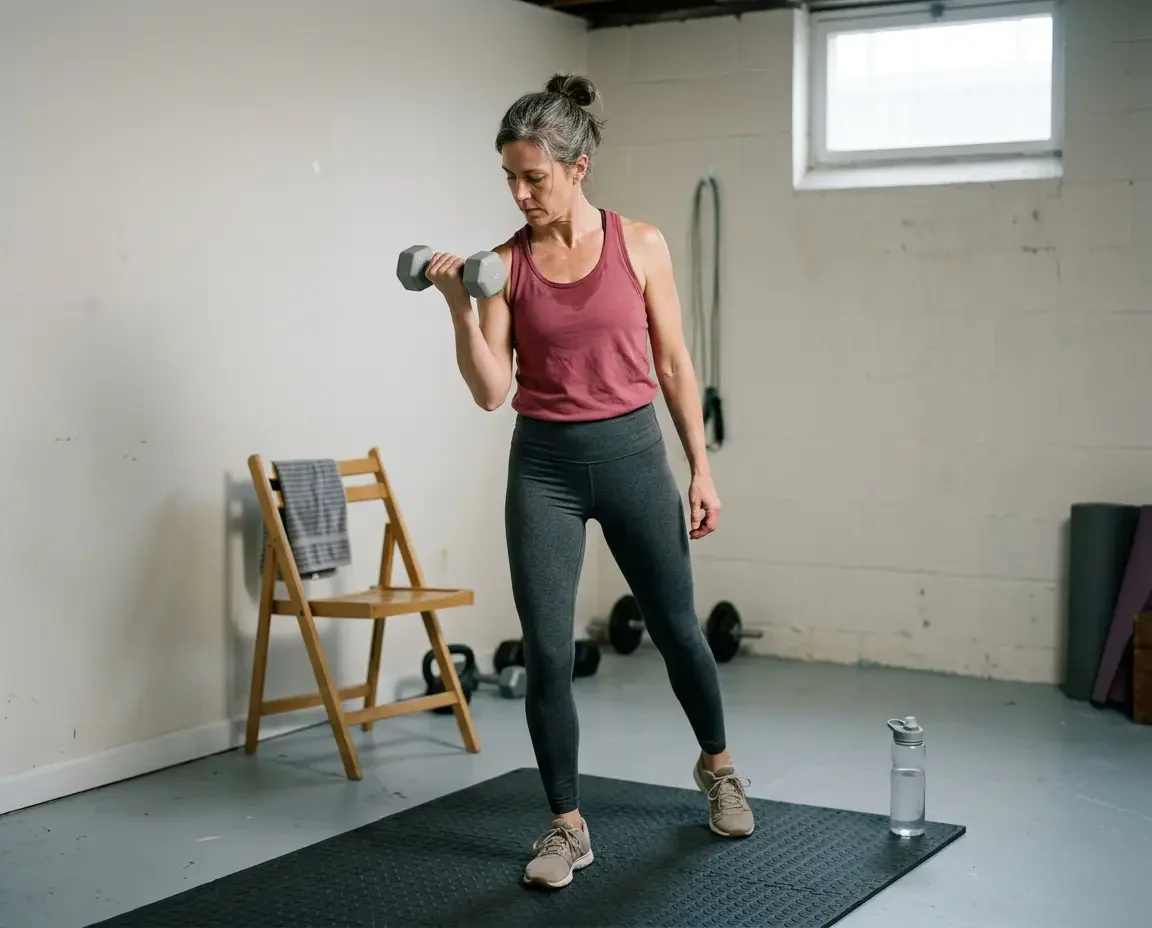
What's changing isn't just the number on the scale. Research summarized by the North American Menopause Society points to a shift in where fat is stored, with a move toward abdominal fat during the menopause transition specifically, along with some loss of lean muscle mass. That combination, more fat redistributed to the midsection and less muscle to offset it, is why the same calorie count and the same workout can produce a different result than they used to.
This is where I differ from a "just eat less" response. The goal isn't a smaller number for its own sake. It's addressing a metabolic shift with an approach built for what's actually happening in the body, not a generic diet plan that ignores the hormonal piece entirely.
Joint Pain That Isn't Arthritis, Yet Isn't Nothing
This is one of the most under-discussed symptoms I see, and one of the most common. A large systematic review and meta-analysis covering more than 93,000 women found that an estimated 71 percent of perimenopausal women report musculoskeletal pain, meaning aching or stiff joints and muscles, at a notably higher rate than premenopausal women.
Patients describe it in similar terms: new stiffness in the hands, knees, or hips, nothing that shows up clearly on imaging, and a sense that they feel older than their actual age would suggest. Estrogen has a role in joint and cartilage health, and its fluctuation during perimenopause is a plausible contributor, though age itself is a competing factor that research hasn't fully untangled.
What matters clinically is ruling out other causes of joint pain, inflammatory arthritis, thyroid issues, an old injury resurfacing, before attributing it to the hormonal transition. That's not a symptom to wave off as "getting older" without a real look first.
Libido Changes: The Symptom Patients Are Least Likely to Raise
Of the three symptoms in this post, this is the one I have to ask about directly, because patients rarely lead with it. The Seattle Midlife Women's Health Study, a long-running research project tracking women through the menopause transition, found that a decrease in sexual desire during perimenopause was associated with hot flashes, fatigue, depressed mood, anxiety, and disrupted sleep, a cluster of overlapping symptoms rather than one isolated cause.
That finding matters because it means a change in libido during perimenopause is rarely just about libido. It's frequently downstream of poor sleep, mood shifts, or physical discomfort that are themselves treatable. Vaginal dryness and related tissue changes can also make sex less comfortable, which independently affects interest over time.
I bring this up directly with patients precisely because they often won't bring it up with me. It doesn't need to be endured quietly, and addressing the underlying contributors, sleep, mood, vaginal comfort, hormonal support where appropriate, is usually more productive than treating low libido as a standalone problem.
How These Three Symptoms Connect
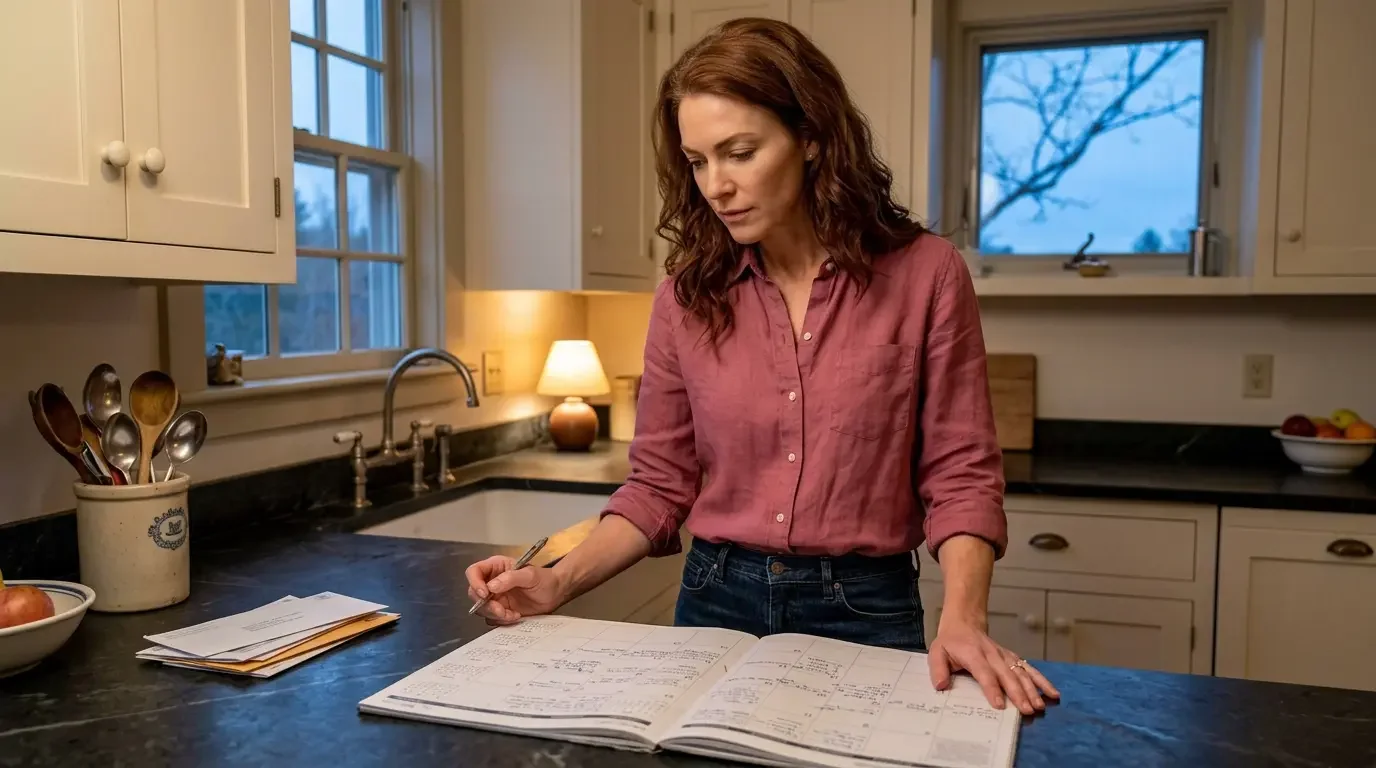
I had a patient last year, a woman in her late 40s, who came in for a physical and mentioned in passing that she'd been "letting herself go a little." She had new joint stiffness she attributed to sitting more for work, weight gain she attributed to stress eating, and, only when I asked directly, a libido that had dropped off months earlier. She had filed all three under separate causes. They were the same cause.
That's the pattern worth understanding: these symptoms often arrive together because they share a hormonal driver, not because a patient has let three unrelated things slip. Seeing them as connected changes how they get addressed.
What a Concierge Visit Actually Does With This Information
A standard 15-minute visit has time for one of these three topics, if that. A concierge model exists specifically to make room for all three, plus the follow-through:
Enough visit time to ask about weight, joint pain, and libido as a set, rather than picking one.
Direct access between visits if a new symptom develops or a treatment approach needs adjusting.
Continuity with a physician who already has the full history, rather than reconstructing it each time.
Coordination with any needed testing (thyroid, hormone levels, bone density via DEXA screening) without a separate referral chain.
I hold MSCP certification through the Menopause Society specifically to manage this transition with current, evidence-based approaches rather than a one-size response. If joint pain and weight changes are part of the picture, that's also where a broader look at metabolic health in midlife and cardiovascular risk, a topic I covered in last month's post on heart health, tends to fit naturally into the same conversation. And if sleep disruption is part of what's affecting libido, it's worth revisiting the night sweats and sleep piece from earlier this summer alongside this one.
Getting the Conversation Started
If you've noticed weight that won't respond the way it used to, joint pain with no clear cause, or a libido that's quietly dropped off, you don't need to bring all three up perfectly, or at all, before I ask. That's the point of a visit built with enough time to get there.
Concierge Medicine of the South Shore is currently accepting patients on a waitlist for both membership tiers. If this is the conversation you've been putting off, call 781-795-9980 or visit conciergemedicineofsouthshore.com to get on the list.