

South Shore Wellness Journal

Thyroid or Perimenopause? The Symptoms That Look Identical
Some of the perimenopause list fits you exactly. Some of it doesn't fit at all. Nobody has told you what to do with the parts that don't. There's a reason for that, and it usually comes down to a question about your cycle that never got asked.

Why Your Cholesterol Numbers Changed After Menopause
Your LDL is up. Nothing about how you eat changed, nothing about how you move changed, and the note on the result said "discuss at next visit." That's a number and a shrug. Here's the actual explanation.

The Perimenopause Symptoms Nobody Talks About: Weight, Joint Pain, and Libido
Hot flashes get all the airtime. Meanwhile the scale won't budge, your knees ache for no clear reason, and your libido went quiet months ago. Most patients file those under three separate causes. They're usually one.

Brain Fog, Mood Swings, or Something Else? Naming Perimenopause Symptoms Patients Don't Expect
You lose the word for something you use every day. You snap at someone over nothing, then can't explain ten minutes later why it felt urgent. Somewhere between 44 and 62 percent of women report this during perimenopause, and a lot of them get told it's stress.
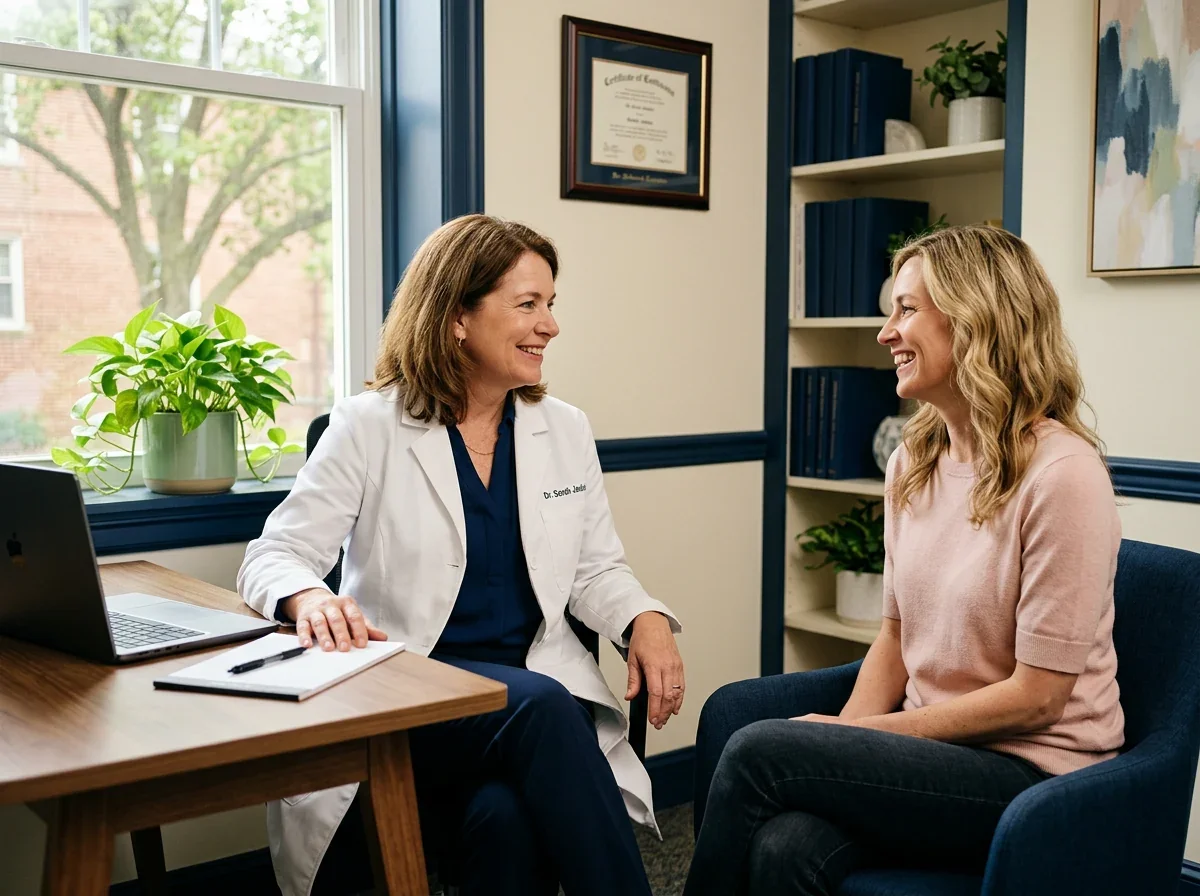
Why More South Shore Patients Are Choosing Concierge Primary Care
Across Massachusetts, patients are navigating waiting lists that stretch weeks, practices closed to new patients, and visits that feel more like a transaction than a conversation. More South Shore patients are deciding they do not have to accept it.

Why So Many Women Feel Dismissed in Healthcare - And What Personalized Medicine Changes
There is a particular kind of exhaustion that comes not from being sick, but from not being believed about it. For too many women, that exhaustion is familiar. Here is what the data says about why it happens — and what a different model of care actually changes.
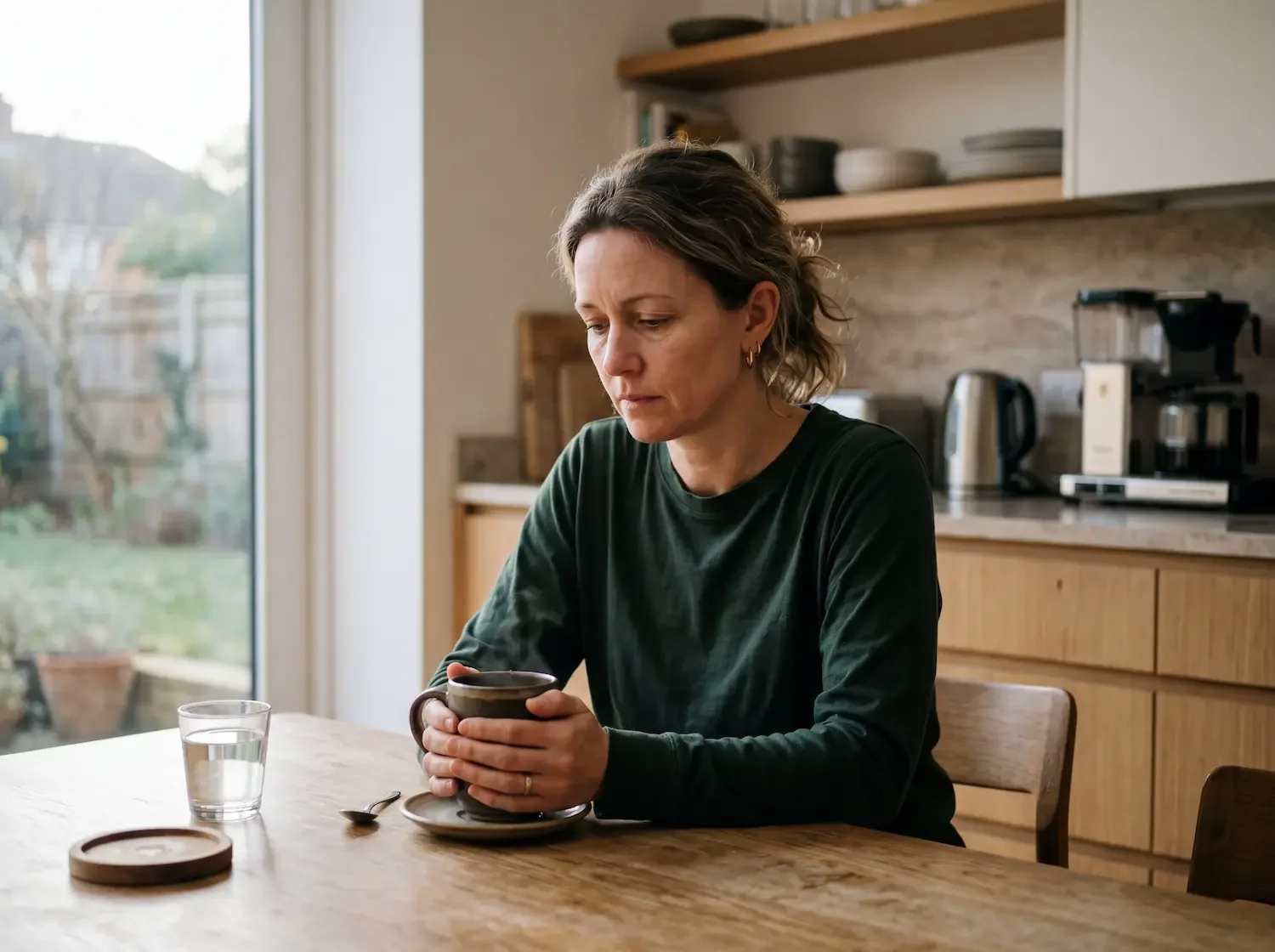
When Your Body Keeps Score: Understanding the Physical Weight of Chronic Stress
You got a full night of sleep and woke up exhausted. You walked into a room and forgot why. A minor inconvenience landed harder than it should have. These aren't character flaws — they're your body communicating that something physiological is happening beneath the surface, and it deserves a real look.

A Different Kind of Primary Care: What Concierge Medicine Offers Women in Midlife
Most women don't get the kind of primary care that gets ahead of problems. The traditional model is built around throughput — fifteen minutes, weeks of wait time, and not enough room for what's actually complex. Concierge medicine is built differently, and for women navigating midlife, that structural difference has real clinical consequences.