Healthy Aging on the Coast: Balance, Bone, and Vitamin D

How to Age Well on the South Shore—One Step at a Time
Winter falls, low vitamin D, and balance issues are common on the South Shore. Here’s how Quincy residents can stay steady, strong, and thriving all year.
Last reviewed: September 08, 2025
Life on the South Shore invites long harbor walks, breezy boardwalks, and winter days where the sun hangs low. Those same coastal rhythms shape how we age well in Quincy. Three pillars do the heavy lifting for healthy aging here: steady balance, strong bones, and smart vitamin D. If you have felt a little wobbly, have been told your vitamin D is low, or you avoid the gym, this guide is for you.
Why these three pillars matter on the South Shore
Slippery winter sidewalks, ocean spray, and seasonal darkness all raise fall risk and can nudge vitamin D levels down. In Massachusetts, falls send hundreds of older adults to emergency departments every week, and many require hospitalization. The good news is that falls are preventable with targeted balance training, medication, home safety reviews, and attention to strength and bone health.
Sunlight is a natural source of vitamin D, but our latitude works against us in the colder months. In the Boston area, UVB rays are often too weak in winter to support skin-based vitamin D production. Many South Shore residents need a nutrition plan and, for some, supervised supplementation to keep levels in range.
Quick home self-checks for balance and mobility
Before you buy new equipment or sign up for a class, try a few safe, evidence-based balance checks at home. Set up near a counter or sturdy chair, have someone nearby if you are uncertain, and stop if you feel unsafe.
1) 30-Second Chair Stand
What it shows: Leg strength and endurance for everyday tasks like rising from a chair.
How to do it: Sit on a sturdy chair without armrests, cross your arms over your chest, then stand up and sit down as many times as possible in 30 seconds. Record your count. Lower counts suggest you would benefit from strength training. CDC
2) Timed Up and Go (TUG)
What it shows: Overall mobility.
How to do it: Place a piece of tape 10 feet from your chair. On “Go,” stand up, walk to the line at your normal pace, turn, walk back, and sit down. Time yourself. Taking 12 seconds or more indicates an elevated fall risk and serves as a prompt to strengthen gait and balance.
3) Four-Stage Balance Test
What it shows: Static balance in progressively harder positions.
How to do it: Try to hold each position for 10 seconds with eyes open and no support: feet together, semi-tandem, tandem, then one-leg stance. If you cannot hold a stage for 10 seconds, it flags a balance target to train.
These three screeners are part of the CDC’s STEADI approach that clinicians use to find and fix fall risks. If any test feels difficult, that is not a failure. It is your starting line.
Vitamin D basics for coastal New England
Vitamin D helps your body absorb calcium and supports muscle function. The best lab to check your status is a 25-hydroxyvitamin D blood test. The National Academies note that levels at or above 20 ng/mL are sufficient for most adults, and the risk of deficiency rises below 12 ng/mL. Needs can vary by age, skin tone, medical conditions, medications, and season. Adults 19 to 70 typically need about 600 IU daily, and adults over 70 need about 800 IU daily from food, sun, and supplements combined. Work with your physician before starting or changing supplements.
Three practical tips for the South Shore:
Test, then personalize. Ask for a 25-hydroxyvitamin D test, especially in late winter.
Prioritize food sources. Fatty fish like salmon, sardines, and cod, fortified dairy or dairy alternatives, and fortified cereals help.
Use the sun wisely. Short, appropriate sun exposure in warmer months supports levels, but New England winters are different. Do not rely on winter sun to meet needs. Harvard Health
Stronger bones without a gym membership
You can support osteoporosis prevention in Massachusetts with at-home moves and neighborhood routines in Quincy.
Twice-weekly strength work. Bodyweight sit-to-stands, wall push-ups, step-ups on a low stair, and suitcase carries with grocery bags build leg, hip, and core strength, which protects bones and improves balance.
Daily balance snacks. Practice tandem stance while brushing your teeth, single-leg stands while waiting for the kettle, or gentle heel-to-toe walks down the hall.
Protein and calcium on your plate. Aim for protein at each meal and calcium-rich foods to pair with vitamin D.
Footwear and home safety checks. Non-slip shoes, cleared walkways, secure rugs, and good lighting matter as much as exercise.
Medication and vision reviews. Some medicines and vision changes can increase the risk of falls. Ask for a review during your next visit. These steps align with national best practices for fall prevention.
When to schedule a bone density scan
A DEXA scan measures bone mineral density at the hip and spine. The U.S. Preventive Services Task Force recommends screening all women ages 65 and older. Postmenopausal women younger than 65 who have risk factors, such as a prior fracture, low body weight, smoking, or certain medications, should be assessed with a clinical tool and scanned if risk is elevated. If you are unsure whether it is time for DEXA, ask.
A coastal checklist you can do this week
For healthy aging in Quincy, osteoporosis prevention in MA, and practical balance training:
Book a vitamin D blood test if you have not checked your levels in the last 12 months.
Try the Chair Stand, TUG, and Four-Stage Balance self-checks. Put your results in your phone notes so you can track progress.
Add two strength sessions and five minutes of daily balance practice to your routine.
Audit your home for fall hazards and update footwear.
Ask about a DEXA referral if you meet the criteria or have risk factors.
How Concierge Medicine of South Shore can help
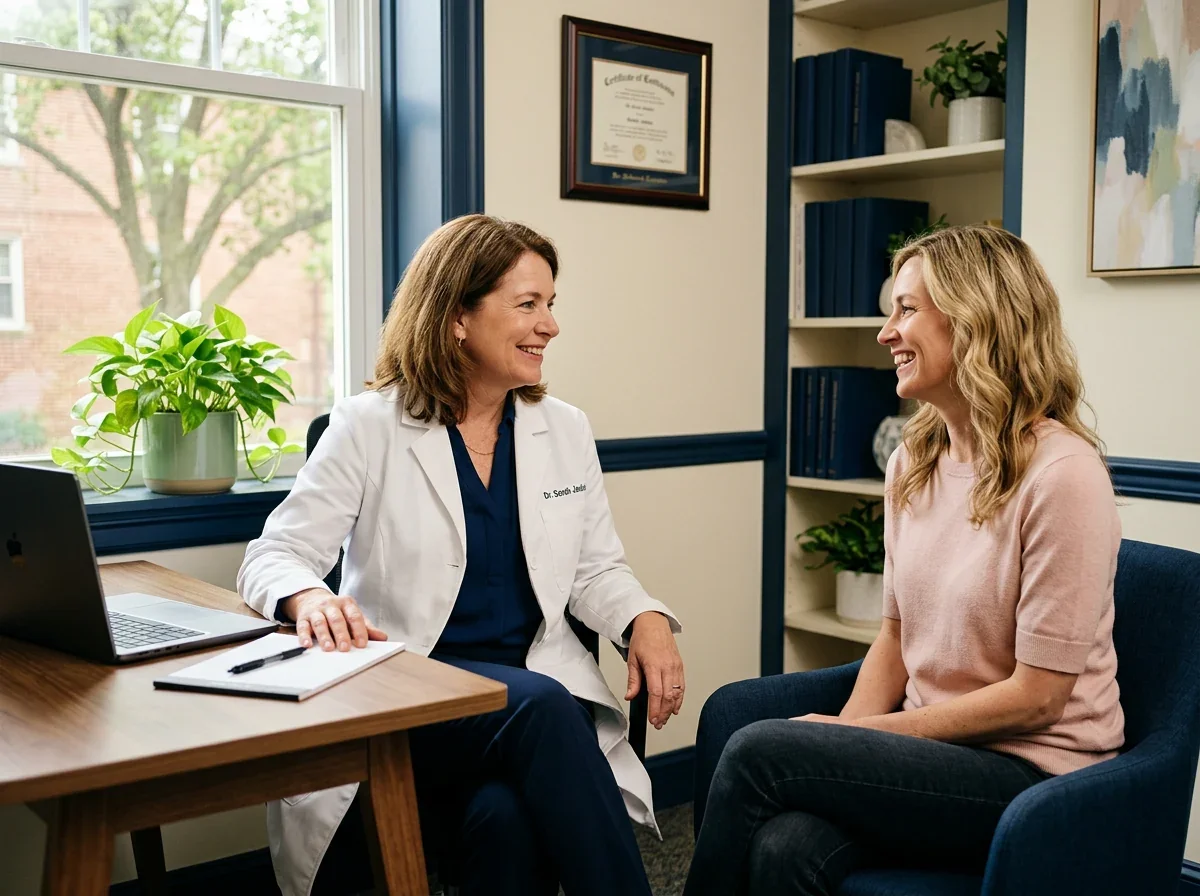
Dr. Maria Clarinda Buencamino-Francisco offers a concierge primary care approach that meets you where you are and helps you move forward with confidence.
Targeted testing. 25-hydroxyvitamin D blood testing, anemia and thyroid checks when appropriate, and personalized guidance on nutrition and supplementation.
Fall-risk and balance assessment. STEADI-informed screening, strength and balance programming you can do at home, and referrals to physical therapy or community programs when needed.
Bone health planning. DEXA referrals, fracture risk assessment, and individualized follow-up.
Local living strategies. Seasonal plans that account for winter ice, beach boardwalks, and the realities of New England sunlight.
Step into steadier, stronger years
Healthy aging in Quincy is absolutely possible, and it starts with simple steps you can take this week. If you would like a personalized balance and bone plan, vitamin D testing, or a DEXA referral, contact Concierge Medicine of South Shore at 781-795-9980 or visit conciergemedicineofsouthshore.com to schedule. Together, we can build a plan that keeps you strong, steady, and ready for everything life on the coast offers.