
Skin-Safety 101: Sun, Sand, and Preventive Screenings on the South Shore
Stay Safe Under the South Shore Sun
South Shore summers mean sun, sand, and higher skin cancer risk. Learn how to protect your skin with expert sun safety, preventive screenings, and concierge care that makes early detection easy.
Beach chairs come out of storage, Route 3 traffic inches toward Cape Cod, and the scent of sunscreen fills Quincy's boardwalk cafés. June is both the unofficial start of beach season and National Safety Month, so it is the perfect moment to talk about protecting the largest organ you own. Massachusetts consistently records some of the nation's highest melanoma rates, with several South Shore counties ranked in the top half for new diagnoses between 2017 and 2021. Add plentiful shoreline reflections, sailing days, and outdoor festivals, and you have a recipe for year-round ultraviolet exposure.
Dr. Maria Clarinda Buencamino-Francisco and the team at Concierge Medicine of South Shore want families to enjoy every ray without regret. Below, you will find the latest sunscreen science, practical ways to lower risk on the sand and sea, and why proactive skin cancer screening for South Shore residents scheduled now can prevent heartache later.
Why Summer Sun on the South Shore Demands Extra Respect
Water and sand double UV dose. Dry sand reflects up to 25 percent of ultraviolet light, and ocean water can bounce another 10 percent back at your skin. Shade from an umbrella helps, but reflective scatter means exposure never falls to zero.
Cloud cover is not a shield. Up to 80% of UV rays can pass through thin clouds, so hazy mornings are no excuse to skip sunscreen.
Massachusetts latitude keeps the UV Index moderate to high from May to September. Even a single blistering burn in youth or middle age doubles the risk of melanoma later in life, according to the American Academy of Dermatology.
SPF: Separating Myth from Math
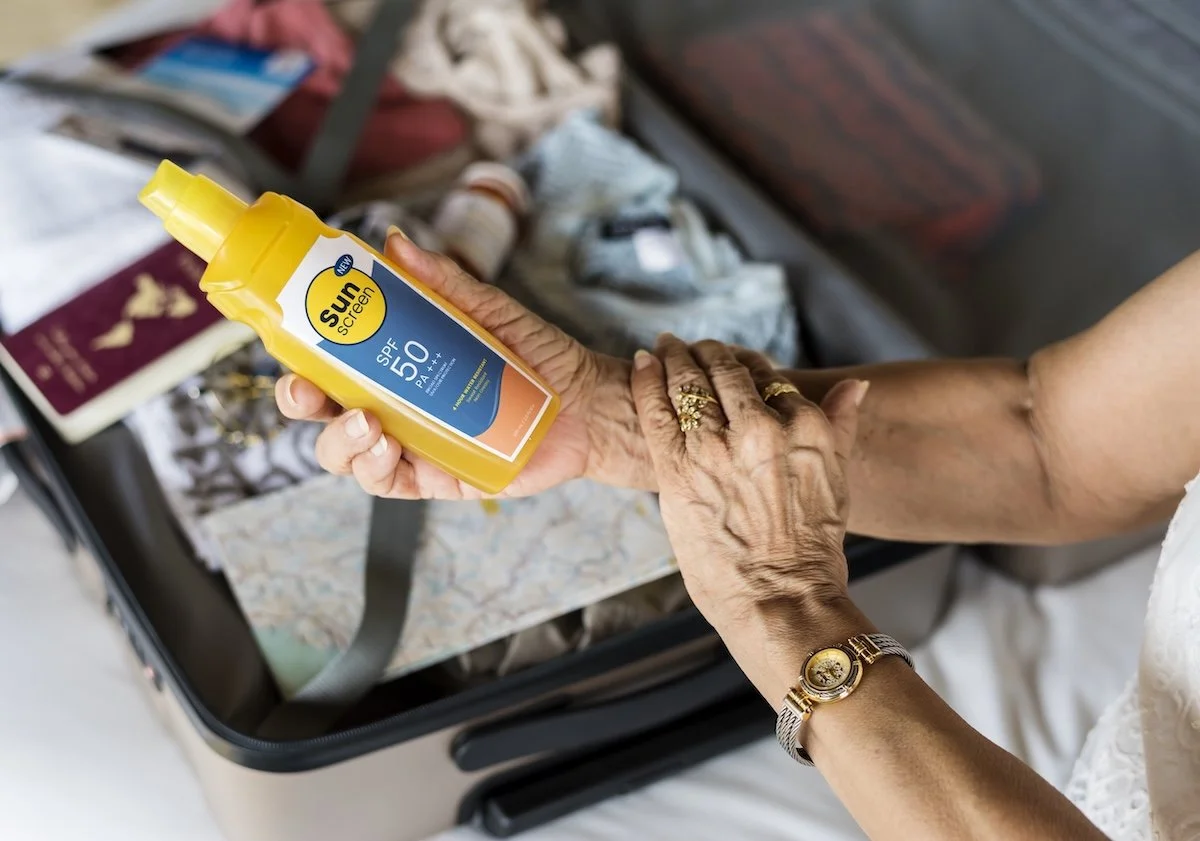
Dermatologists recommend choosing a broad-spectrum, water-resistant sunscreen with an SPF of 30 or higher. SPF 30 blocks about 97% of UVB radiation. SPF 50 blocks 98%. No product blocks 100%, which is why reapplication is non-negotiable.
How to apply correctly:
Use one ounce, roughly a shot glass, to cover an adult's body.
Apply 15 minutes before sun exposure so filters bind to skin proteins.
Reapply every two hours and after swimming or heavy sweating, even if the label says eight-hour protection.
Spray sunscreens are convenient, but wind and uneven coverage can reduce their effectiveness. Rub the spray in with your hands, and never spray it directly onto the face. For young children and individuals with asthma, opt for lotions that minimize inhalation risk.
Sun-Smart Clothing and Accessories
Sunscreen is the first step in summer skincare that Massachusetts families can trust, but clothing provides the only truly "always on" protection.
UPF 50 rash guards, swim leggings, and sun hoodies block more than 98% of UV rays.
Wide-brim hats shield the scalp, ears, and neck, three areas with a high risk of skin cancer recurrence.
Polarized sunglasses with UV400 lenses defend against cataracts and melanoma of the eye.
Self-Exams and Professional Checks
The American Cancer Society recommends monthly self-exams as a simple but powerful habit. Stand in bright light with two mirrors, scan every inch from scalp to soles, and look for the ABCDE warning signs:
A: Asymmetry
B: Border irregularity
C: Color variations
D: Diameter larger than a pencil eraser
E: Evolving in size or shape
Any spot that meets one of these criteria deserves the attention of a dermatologist. Due to a lack of formal screening guidelines, timing a professional skin check can be confusing. Dr. Buencamino-Francisco uses individual risk profiles, family history, prior burns, complexion, and immune status to set a schedule. Some patients require annual visits, while others need to visit twice a year.
Bridging Gaps with Concierge Preventive Medicine
Standard offices often book six months out for full-body exams. Concierge membership changes that equation.
Same-day or next-day appointments mean a new or changing mole does not wait until fall.
Point-of-care dermatoscopy in the office allows immediate triage of suspicious lesions.
Streamlined specialist referrals ensure biopsy results loop back into your electronic chart without delay.
Personalized summer plans cover sunscreen selection for sensitive skin, optimized vitamin D strategies, and reminders synced to your phone.
That level of responsiveness underpins the promise of concierge preventive medicine: early detection, tailored guidance, and less anxiety.
Sun-Safe Habits for Every Beach Day
Check the UV Index at breakfast. A reading of 6 or higher calls for extra shade breaks.
Pack hydration. Dehydrated skin burns more easily and heals more slowly. Aim for eight ounces of water every hour in the sun.
Schedule outdoor workouts before 10 a.m. or after 4 p.m. UV intensity dips and temperatures feel more forgiving.
Set a phone alarm. Two-hour sunscreen reminders are more effective than trying to recall the last application amid sandcastles and volleyball games.
Teach the next generation. Apply sunscreen to children while narrating steps so they learn lifelong habits.
Special Considerations for Diverse Skin Tones
Melanoma rates are highest among non-Hispanic white adults, yet survival gaps widen dramatically for people of color because cancers are often diagnosed later. Darker skin may mask early signs and myths about "natural protection" delay exams. The same ABCDE rules apply to every complexion. During your visit, Dr. Buencamino-Francisco offers education tailored to individual pigment and cultural hair practices, ensuring protection that fits your lifestyle.
Beyond the Beach: Everyday UV Exposure
Commuting, dog walking, and even sitting near office windows add up. Keep a travel-size SPF moisturizer in your bag for added protection. Apply to your face, neck, and hands before starting your day, then reapply at lunchtime if you plan to go outdoors. Car windows block most UVB but far less UVA, so regular drivers benefit from arm sleeves or window films.
Make This a Sun-Safe Season
Summer memories should revolve around sunsets, not skin biopsies. By layering smart habits—broad-spectrum sunscreen, UPF clothing, monthly self-checks, and timely professional exams—you lower risk while still enjoying every coastal breeze. Concierge Medicine of South Shore stands ready to guide you with personalized protocols, rapid access, and compassionate follow-up.
If you have a mole that worries you, need advice on the best reef-safe sunscreen for sensitive skin, or want to schedule a comprehensive skin cancer screening, call 781-795-9980 or visit conciergemedicineofsouthshore.com today. Together, we will keep your skin healthy, your calendar full of fun, and your peace of mind shining as bright as the summer sun.
You may also like…



Hello, World!