Unlocking Calm: Bridging Eastern and Western Paths to Well-being
Modern care, ancient roots—rethinking how we treat anxiety.
Anxiety isn’t just something to “get rid of”—it’s a message worth listening to. Learn how integrative psychiatry, yoga, nutrition, and even ketamine-assisted therapy can help you navigate stress and access calm from the inside out..
Anxiety is a pervasive challenge in our modern world, often feeling like an inescapable consequence of constant information, societal pressures, and the lingering effects of global events. But what if we told you that managing anxiety isn't about "getting rid of it," but rather learning to listen to it and integrate it into a fuller, more joyful life?
We recently hosted a webinar with Dr. Marnie Chanoff, a Harvard-trained psychiatrist who practices and teaches integrative psychiatry, to delve into this very topic. Dr. Chanoff's unique approach, deeply rooted in both rigorous Western medical training and Eastern practices like Ayurveda and yoga, offers a holistic path to "The Calm Within."
The Anxious State of Our Nation
The statistics are sobering: nearly one in five U.S. adults experiences anxiety, with youth anxiety, particularly among females, reaching concerning levels post-pandemic. We're bombarded with news, social media, and the incessant demands of a high-performance culture. This constant stress can manifest in a myriad of ways – from physical symptoms and emotional turmoil to impaired cognitive function and behavioral shifts.
Dr. Chanoff highlighted the critical concept of the Yerkes-Dodson Law, illustrating that while some stress is beneficial for optimal performance (the "flow" state), too much leads to exhaustion, decreased productivity, and ultimately, burnout. This burnout, characterized by anxiety, panic, anger, and irritability, can even lead to a "nervous breakdown" if unaddressed. Recognizing these tipping points is crucial for our well-being.
A Holistic Approach to Healing
At Joy in Health, Dr. Chanoff's practice, the focus is on a whole-person approach, understanding that anxiety is a message from our intricate mind-body system. The key lies in regulating our nervous system, which has two main branches: the sympathetic (fight, flight, or freeze) and the parasympathetic (rest and digest). Modern life often keeps us in a heightened sympathetic state, and the goal is to cultivate access to our parasympathetic system.
This is where the integration of Eastern and Western wisdom shines:
Nourishing the Gut: A new field called nutritional psychiatry emphasizes the profound connection between our gut and brain. Processed foods and chronic stress can disrupt our gut microbiome, leading to inflammation that impacts both physical and mental health. Adopting a whole-foods diet, like the Mediterranean diet, is a powerful tool for supporting mental well-being from the inside out. Culinary coaching, which teaches practical skills for healthy cooking and grocery shopping, is also gaining traction as a vital component of this approach.
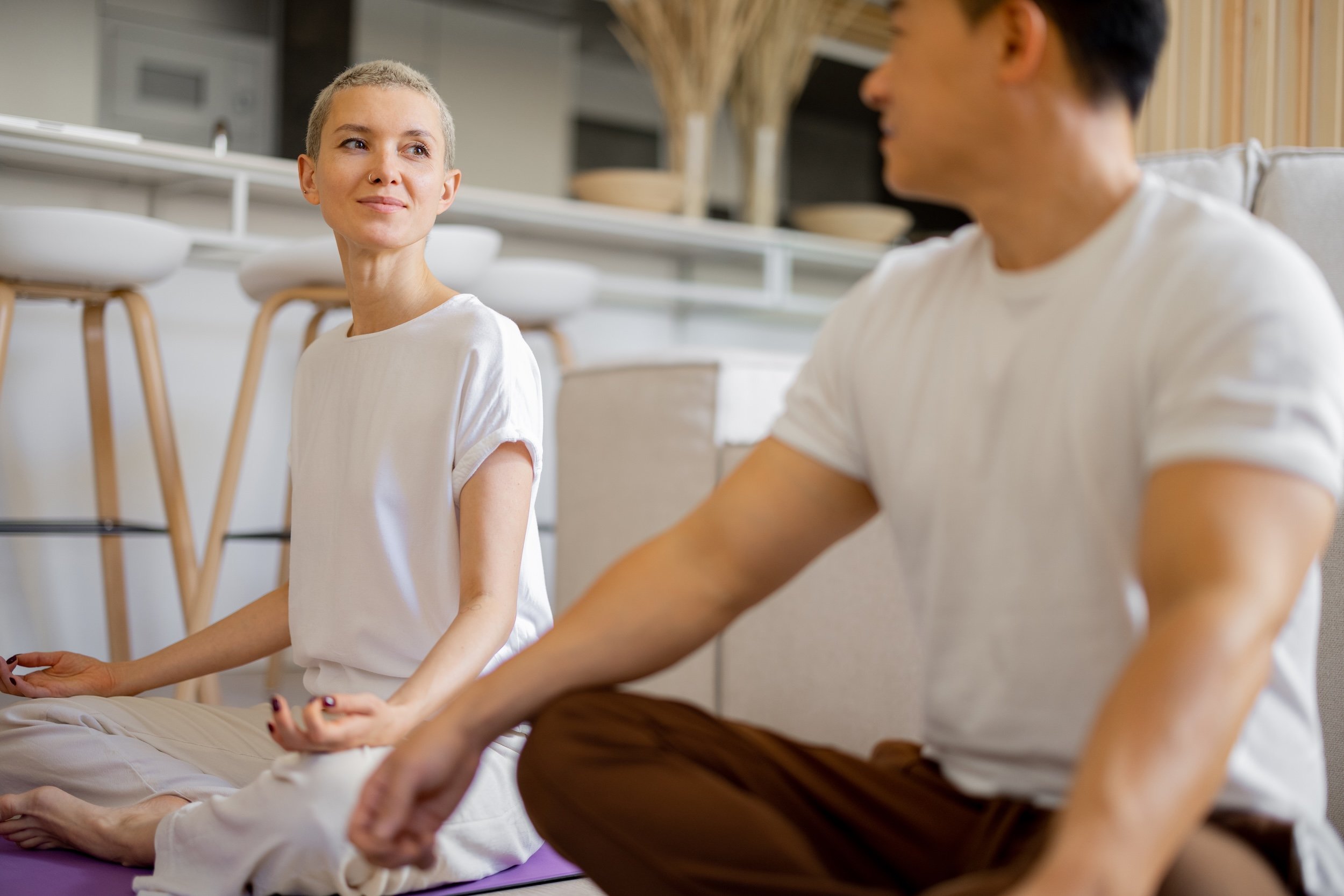
The Power of Breath and Movement: Yoga, including targeted breathwork, offers a direct pathway to calming the nervous system. By consciously controlling our breath, we can influence brain activity, shifting from a state of arousal to one of focus and calm. Yoga also enhances psychotherapy, boosting emotional tolerance, reducing anxiety, and fostering a sense of mastery over oneself.
Beyond the Ego: Ketamine-Assisted Psychotherapy: For those deeply entrenched in rigid thought patterns or past trauma, innovative therapies like ketamine-assisted psychotherapy offer a unique opportunity. This modality, utilizing a low dose of ketamine in a supportive environment, can help individuals bypass the ego's protective barriers, access deeper emotions, and gain new perspectives, leading to rapid relief from depression, anxiety, and trauma.
Simple Steps for Daily Calm
You don't need a whole team to begin your journey toward greater calm. Dr. Chanoff shared practical, actionable tips for integrating well-being into your daily life:
Schedule Ahead: Proactively calendar breaks, exercise, and even meal prep to ensure you prioritize self-care.
Take Mini-Breaks: Integrate short quiet moments (5-15 minutes) into your morning and afternoon.
Batch Cook: Prepare healthy meals on weekends to simplify nutritious eating throughout the week.
Embrace Quiet Time: Even a few minutes of quiet reflection can nourish your nervous system.
Practice Box Breathing: This simple breathwork technique can be used anytime to induce calm.
Prioritize Exercise: Aim for 150 minutes of moderate exercise and two strength-training sessions per week to discharge excess energy and support overall health.
By embracing these integrative approaches, we can begin to understand anxiety not as an enemy to be vanquished, but as a guide, leading us toward a more balanced, joyful, and whole existence.