Better Screening Starts Here: What to Know About 3D Mammography
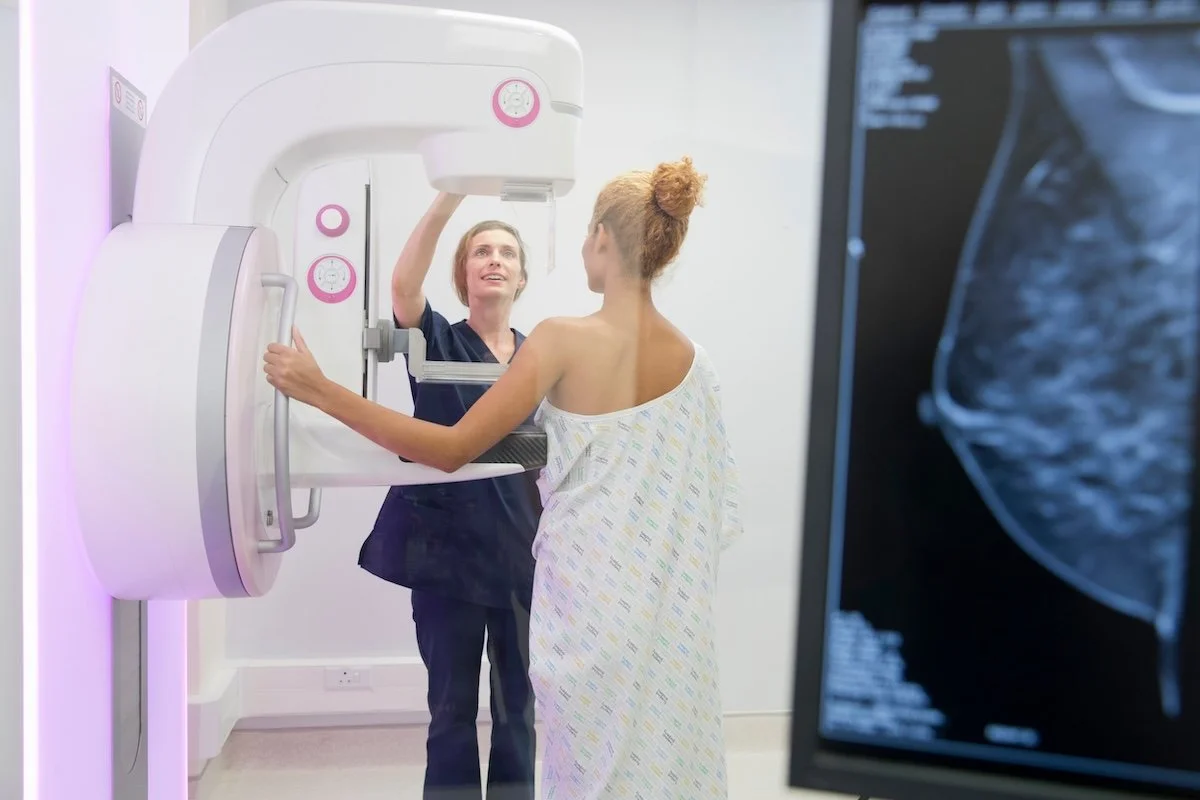
The Smarter Way to Screen for Breast Cancer
Dense breasts can make cancer harder to detect—but 3D mammography changes that. Dr. Maria Buencamino-Francisco shares how advanced screening and personalized care help women in the South Shore take charge of their breast health.
Last updated on September 30, 2025
Each October, Breast Cancer Awareness Month reminds women across the South Shore to make time for their health, and one of the most critical steps is staying current on breast cancer screening. For many, that starts with a mammogram. But if your results mention dense breast tissue, you may be unsure what that means or how it affects your care.
As a concierge primary care and preventive medicine physician, I partner with my patients to make sure they understand their results and have access to the most advanced screening tools available. My approach focuses on clarity, proactive prevention, and early detection, as knowledge is one of the most effective forms of protection.
What Does It Mean to Have Dense Breasts?
Breast density refers to how much fibrous and glandular tissue there is compared with fat. Dense breast tissue appears white on a mammogram, just like cancer does, which can make it harder to spot subtle changes.
Nearly half of women over 40 have dense breasts. In Massachusetts, you’ll receive a state-mandated letter after your mammogram if your tissue is dense. It’s easy to feel alarmed by that notice, but dense breast tissue is common and not dangerous on its own; it simply means additional imaging may provide a clearer picture of your health.
The right screening mix can make a real difference, and 3D Mammography is now considered the standard of care for women with any breast density.
Why 3D Mammography Is the Standard
Traditional 2D mammograms create two flat images of the breast. While effective, this older method can sometimes overlap layers of tissue, making abnormalities more difficult to detect.
3D Mammography (tomosynthesis) uses multiple low-dose images taken from different angles to build a three-dimensional view. This enables radiologists to examine each layer separately, enhancing visibility in dense areas and facilitating earlier detection of cancers.
Research shows that 3D Mammography:
Detects more invasive cancers at earlier stages
Reduces false positives and unnecessary follow-up tests
Offers greater accuracy for women with dense breasts
When scheduling your next mammogram in the South Shore area, ask whether 3D Mammography is available. It’s the most advanced and reliable screening option today—and it’s becoming the new norm across Massachusetts.
When Additional Imaging Makes Sense
Even with 3D Mammography, some women benefit from supplemental imaging, depending on their individual risk.
Ultrasound uses sound waves to examine dense tissue more closely and distinguish cysts from solid masses. It’s often recommended as a next step if a mammogram result is inconclusive.
MRI provides highly detailed imaging and is typically reserved for women at higher risk, such as those with a strong family history, known genetic mutations, or prior abnormal findings.
At Concierge Medicine of South Shore, I use a comprehensive Breast Cancer Risk Assessment to guide these decisions. This assessment takes into account your breast density, reproductive history, genetics, and lifestyle risk factors to create a personalized plan tailored just for you.
Addressing Common Questions
“Do dense breasts mean I’m at higher risk?”
Dense tissue can slightly increase risk, but the bigger concern is that it makes early cancers harder to see. The good news is that advanced imaging techniques, such as 3D Mammography and ultrasound, significantly improve detection rates.
“Why do results take so long?”
Delays can be frustrating, especially when you’re anxious for answers. In my concierge practice, I coordinate personalized imaging orders for women in Hingham and the South Shore area, ensuring fast scheduling and rapid review of results so you aren’t left waiting for news.
Preparing for Your Appointment
Before your mammogram, gather a few important details to help your radiologist and provider compare images accurately:
Copies of prior mammograms or imaging reports (if done elsewhere)
Information about your family history of breast, ovarian, or prostate cancer
Any prior biopsy or pathology reports
A current list of medications and supplements
Questions you’d like to discuss about your breast health
A few minutes of preparation can make your screening more efficient and informative.
How Concierge Medicine of South Shore Supports Your Breast Health
At Concierge Medicine of South Shore, we take a whole-person approach to prevention. Breast cancer screening is just one piece of your overall wellness plan, but it’s an essential one. My goal is to make it simple, streamlined, and specific to you.
Our care includes:
Breast Cancer Risk Assessments as part of every preventive visit
Concierge imaging coordination for 3D Mammography and ultrasound
Referrals to trusted imaging partners across the South Shore
Same-week result reviews whenever possible
An emphasis on communication and education, because understanding your health empowers you to protect it
When care is proactive, individualized, and unrushed, early detection becomes part of a larger story of lifelong wellness.
Download the Ms.Medicine Breast Health Guide
Take charge of your knowledge with the Ms.Medicine Guide to Breast Health.
This free, evidence-based resource explains how breasts change throughout life, what factors affect risk, and how to create a personalized screening plan.
(Available as a free PDF through Ms.Medicine’s official website.)
Take the Next Step Toward Personalized Prevention
If you’re between 40 and 74, now is the perfect time to review your breast cancer screening plan. Whether you’ve received a dense breast letter, need to schedule your next mammogram, or want to understand your personal risk better, we can help.
Call Concierge Medicine of South Shore at 781-795-9980 or visit www.conciergemedicineofsouthshore.com to schedule your Breast Cancer Risk Assessment. Together, we’ll design a plan that prioritizes early detection, reduces stress, and supports your long-term health.